Upcoming Sessions
- There are no upcoming sessions scheduled
See All Upcoming Sessions
.png)
a { text-decoration: none; color: #464feb; } tr th, tr td { border: 1px solid #e6e6e6; } tr th { background-color: #f5f5f5; } Learn about ceiling radiation dampers, including damper types, test methods, performance ratings, construction differences, application requirements, and code compliance considerations. This course also explores how to determine the appropriate damper for specific ceiling assemblies and reviews current product trends affecting the industry. Speaker: Michael Bulzomi Length: 60 minutes Upon completion, you will earn: 1 Professional Development Hour (PDH) AMCA completion certificate Read more
Rating
Content
Price

a { text-decoration: none; color: #464feb; } tr th, tr td { border: 1px solid #e6e6e6; } tr th { background-color: #f5f5f5; } This course provides an introduction to the calculations required to determine air and gas density. Designed for engineers, system designers, and fan application specialists, this module covers fundamental density calculation concepts relevant to fan applications. Speaker: Bill Howarth Length: 60 minutes Upon completion, you will earn: 1 Professional Development Hour (PDH) AMCA completion certificate Read more
Rating
Content
Price
This session explores the replacement of bulky ductwork in parking structures with high-velocity jet fan systems. Participants will learn how to mitigate CO and NO2 levels using thrust-based induction, which reclaims overhead space and reduces construction costs. The course also quantifies the significant energy savings achieved through Demand Control Ventilation (DCV) and the use of CFD modeling to ensure code compliance and air quality. Instructors: Jeremy Smith and Ola Wettergren, MSAE PDH: 0 Read more
Rating
Content
Price
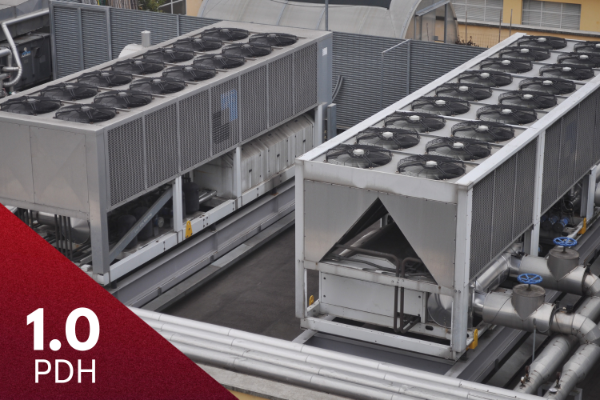
a { text-decoration: none; color: #464feb; } tr th, tr td { border: 1px solid #e6e6e6; } tr th { background-color: #f5f5f5; } This course examines the need for engineered controls to address environmental outdoor sound propagation and its effects on neighboring communities. You will identify key considerations related to environmental noise and sound control in outdoor applications. Speaker: John Sofra Length: 60 minutes Upon completion, you will earn: 1 Professional Development Hour (PDH) AMCA completion certificate Read more
Rating
Content
Price
.png)
This webinar was originally broadcast on September 16, 2020. The purpose of this presentation is to inform industry professionals about the factors involved in designing a laboratory exhaust system. The presentation will outline the selection of the exhaust fans enhancing the highest potential turndown and the different laboratory control options that will affect the energy consumption of the laboratory. Speaker: Doug Ross Length: 60 minutes Upon completion, you will earn: 1 Professional Development Hour (PDH) with AMCA completion certificate The AMCA Air Systems Foundations digital badge (issued via Credly) Note: This micro-credential serves as your official entry point and foundational baseline for AMCA’s stackable credentialing pathways. Read more
Rating
Content
Price
This module provides a comprehensive overview of fan fundamentals, focusing on the critical relationship between fan speed, airflow, static pressure, and horsepower consumption. Learners will explore foundational fan laws, including how static pressure varies as a function of the change in speed squared, and how brake horsepower varies as a function of speed cubed. The course also covers the aerodynamic and physical considerations necessary for proper fan selection ensuring systems operate effectively in the field. Instructor: James Mathis PDH: 0 Read more
Rating
Content
Price
Shopping Cart
Your cart is empty